


 Back to All Blogs


AI agents for operations are designed to perform multi-step tasks autonomously, in line with your goals. They follow your rules and escalate issues. Unlike simple “helper” bots, agentic workflows don’t just execute instructions; they also make intelligent, real-time decisions.
Businesses today face growing operational costs and margin pressures. By using AI agents for operations, you can delegate tasks to improve productivity. The key lies in choosing the right workflows first. Otherwise, you’re adding more friction instead of finding solutions.
What Workflows Are Suitable for Task Automation?
Research suggests that task automation could raise global productivity by 0.8%–1.4% annually, and that up to half of today’s work could be automated by 2055.
But what agentic workflows deliver the highest ROI?
High ROI agentic workflows are typically:
- Repetitive and rule-based
- High-volume
- Dependent on multi-system data checks
- Built on structured SOP automation
- Measurable using metrics such as time and cost saved, or errors reduced
By 2030, 30% of hours worked today may be fully automated. However, it’s important to remember that task automation should follow the human-in-the-loop approach. Even the best agentic workflows don’t replace teams; they free them for higher-value work.
How to Identify Your First High-ROI Agentic Workflows
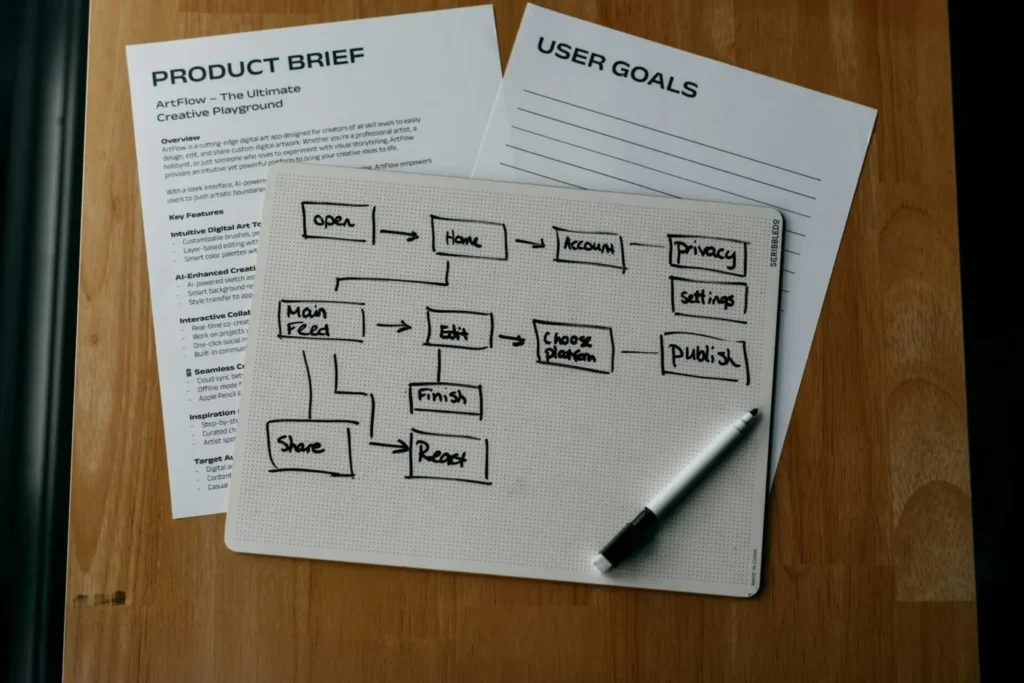
To find your first candidates for task automation, start with process mapping. Most operational waste hides in your data. Process mapping will help you sniff out where your revenue is being affected by inefficiency and wasted hours.
Process mapping is also surprisingly simple. Start with this basic framework:
- Map the workflow end-to-end
- Measure time spent and error rates
- Identify where decision bottlenecks occur
- Flag compliance or governance risks
- Define human-in-the-loop controls
With this approach, your first task automation is controlled and measurable, and you can ensure it stays aligned with governance requirements.
12 High-ROI Workflows to Automate First
Finance
Many finance tasks are ideal for SOP automation as they have clear guardrails and rules.
Here are three high-ROI finance workflows to consider:
- Revenue reconciliation: AI agents compare billing data, flag mismatches, and automatically generate reports.
- Document review and exception handling: AI agents validate and process specific document classes, such as invoices, and route exceptions.
- Churn risk monitoring: AI agents analyze and combine usage and support signals and track billing issues to flag at-risk accounts early.
HR
The HR department has clear rules and manual tasks that automation can simplify.
Here are three valuable initial use cases:
- Candidate screening and routing: Agentic workflows screen CVs against role requirements and route qualified candidates.
- Onboarding documentation checks: AI agents validate forms and signatures automatically and flag errors.
- Internal policy and Q&A automation: AI agents provide instant, clear answers to HR policy questions.
Customer Experience
Data from Freshworks shows that AI agents can reduce first response times from 12 minutes to 12 seconds. Resolution times fell from over an hour to just two minutes.
Consider these three high-ROI workflows for task automation:
- Ticketing and triage: Agentic workflows classify tickets, assign priority levels and route them without human intervention.
- SLA monitoring: AI agents monitor response times and trigger alerts before SLA breaches occur.
- Renewal risk signals: Agents analyze usage trends and support history to flag accounts that are renewal risks. The human agent can then reach out proactively.
Sales
Around 60% of buyers feel sales representatives don’t have enough time to understand their individual needs. That’s a time availability problem, not a motivation problem. AI agents offer the personalized interactions your customers want without burdening sales teams.
Here are three high-ROI use cases:
- Proposal and contract generation: AI agents draft personalized proposals using approved templates and pricing rules.
- Forecast variance analysis: Agentic workflows compare forecast data with historical patterns and flag inconsistencies.
- CRM data hygiene and enrichment: Agentic workflows clean duplicate records and dud data. They enrich missing fields for smarter data use and better decision-making.
These are not the only agentic workflows businesses can explore. However, they consistently deliver strong ROI. They are also good starting points for pilot projects and can be implemented relatively simply.
Governance: AI Agents for Operations Fail Without Structure
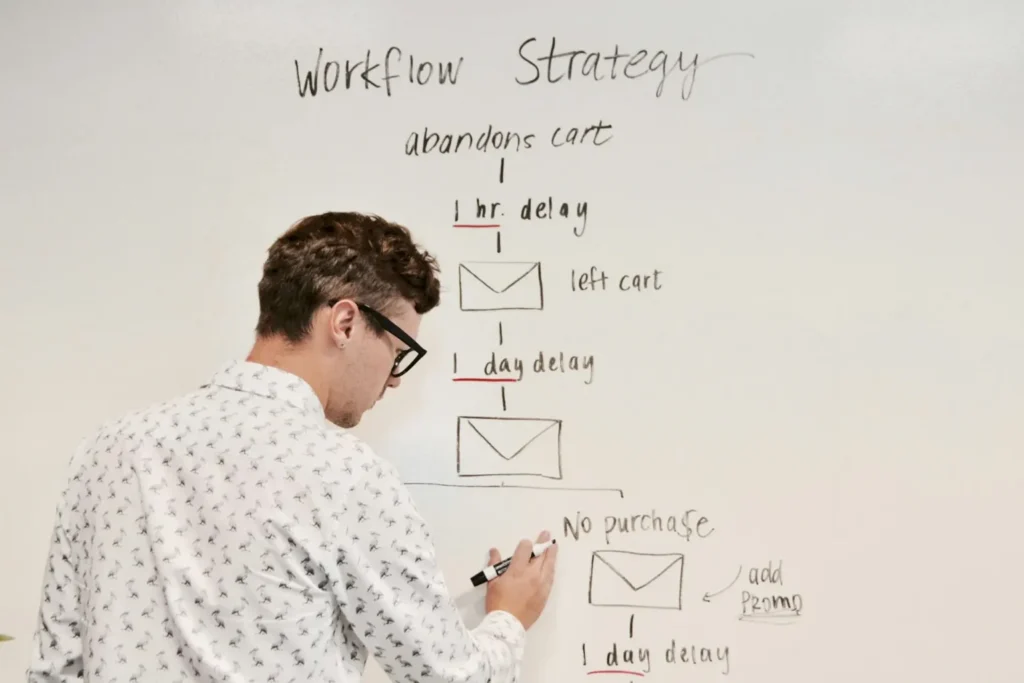
Despite the promise agentic workflows offer, don’t forget the human-in-the-loop. Without guardrails, automation can amplify errors instead of reducing them.
Strong governance includes:
- Version-controlled SOP automation
- Audit logs that track each action
- Clearly defined escalation thresholds
- Human-in-the-loop safeguards and overrides
When governance is well-structured, it builds trust and keeps compliance simple.
AI Agents for Operations: A Strategic Advantage
The goal today is not full autonomy. Rather, it’s a controlled path to improved productivity and higher ROI.
Instead of trying to automate everything, find your top three workflows where manual processes or operational overload are holding back results. These workflows should be:
- Measurable
- Repetitive
- High-volume
Then use process mapping to understand them clearly. Decide on your “baseline performance” metrics, then gradually introduce structured agentic workflows, with human-in-the-loop oversight.
Operational complexity and rising costs aren’t going away. But AI agents for operations prevent this from eating away at revenue and margins. Human agents can focus on high-value, income-generating tasks, while AI handles the routine work behind the scenes.
FAQs
AI agents for operations handle complex workflows autonomously. Unlike basic task automation, agentic workflows analyze data, take action, escalate exceptions, and make decisions. This reduces manual work and improves accuracy.
Traditional automation follows fixed scripts. Agentic workflows adapt based on logic. For example, rule-based bots simply move data while AI agents intelligently analyze that data, flag discrepancies, and take appropriate action.
ROI depends on the precise workflow. High-volume processes with clear structure deliver the fastest returns. Studies suggest productivity improvements of up to 30% with agentic workflows.
No. Agentic workflows use human-in-the-loop models as a guardrail. They handle structured tasks intelligently, but humans retain control over approvals and complex edge cases.

 View Profile

Recent Posts
-
 Published on: January 27, 2026
 -
Published on: January 20, 2026
-
 Published on: January 13, 2026