Enterprise AI is now more accessible than ever. However, as we now know, many of those pilots run into AI scalability issues in production environments. From deployment challenges to full failure, businesses are struggling to realize AI’s value.
This is rarely a tool problem. It comes down to how enterprise AI integration is handled. All too often, businesses treat AI as just another software upgrade. Something that can be switched on, and the magic happens without any preparation.
The idea of “plug-and-play” is appealing, but it simply doesn’t deliver at scale. If your business processes aren’t geared around strategic AI implementation, even the most advanced AI becomes a disconnected tool. Avoiding AI project failure needs you to instead see AI as a core shift within the business.

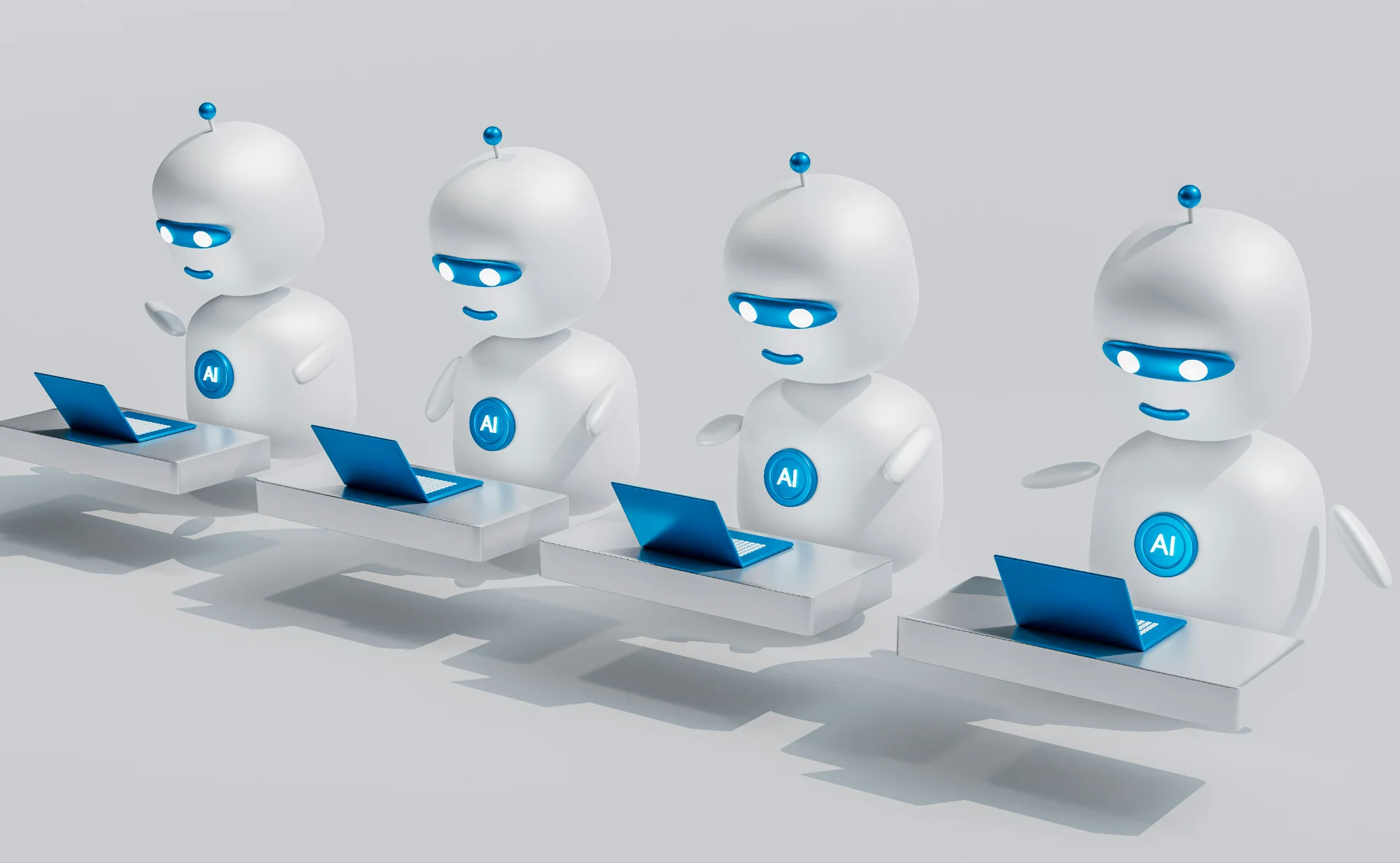
Image Source: unsplash.com
Why “Plug-and-Play” Mindsets Causes AI Scalability Issues
An enterprise business is not a simple entity. It represents years of carefully created processes and legacy tools. AI brings an entirely different set of requirements. Workflows change, and data demands are intense. This demands a new way of working.
So it should be no surprise that it’s never as simple as rolling out a platform and calling it done. We know that only 20% of enterprises are seeing revenue growth with AI, vs. the 74% still hoping for it. What separates those already winning is their approach to strategic AI implementation. They know:
- Where AI fits into (and changes) their workflows
- Which decisions AI supports, and what pain points it solves
- How outputs are handled and validated
- How AI integrates with systems they already run
More importantly, they’ve addressed integrating AI throughout the business.
Solving AI Solution Deployment Challenges That Hold Enterprises Back: A Framework
Many AI underperformance issues have little to do with the technology chosen. Instead, they come down to how integration was handled. Companies that succeed with AI:

Image Source: unsplash.com
Design for Integration (Early)
Workflow redesign and interoperability are easier to create early in a deployment. This could be using modular approaches for easier integration with existing systems. Or it could mean phasing deployment, concentrating on the most valuable wins first. Designing a strategic AI implementation needs a clear plan and strong communication.
Look at Data Strategically
The cliche “garbage in, garbage out” didn’t spring from nowhere. Without clean, well-structured data from a central source, AI cannot produce quality outputs. Strong governance and clear ownership fortifies security and offers better results. Trying to layer AI onto muddy data simply can’t yield good results.
Prove the ROI, Not the Tool
Without measurable outcomes tied to the business’ goals, AI has no real value. Companies that embrace strategic AI implementation prioritize practical use cases that solve business pain points. They also set meaningful benchmarks for outcomes, tied to ROI and core KPIs. This type of proof also strengthens worker trust and increases board-level buy-in and confidence in AI investments.

Image Source: unsplash.com
Control AI Correctly
Strong governance and cross-functional departmental involvement is critical in avoiding AI project failure. Legal, security, compliance, and technology all have a role to play here. Rules for human oversight must be set, especially for high-risk decisions or regulated environments. When AI is continuously monitored and tested, businesses identify issues in enterprise AI integration before they impact results.
Address the Skills Gap
Capability is as important as technology. Workers must be confident with AI, and know how to manage its risks. Enterprise AI integration must include upskilling the workforce and promoting AI literacy, so everyone knows what AI can do and what it can’t.
Solve AI Scalability Issues
Lastly, smart enterprises know they need to walk before they run. Scaling ineffective processes just makes for complexity and failed results. Instead, prove operational value in high-reward areas, and scale up from there.
When enterprise AI integration is addressed with this kind of strategic AI implementation, avoiding AI project failure and joining the 14% of companies ready for AI integration is more than possible.
Does Custom AI vs Off-the-Shelf Matter?
Whether a business chooses custom AI vs. off-the-shelf solutions has little to do with the success of enterprise AI integration. It’s easier to lose sight of strategic AI implementation when working with DIY tools. Custom solutions can delay ROI through higher costs and introduce complexity.
But the core driver is which approach suits your AI operating model and fits your planned enterprise AI integration. Because it’s that implementation and integration that will determine the competitive advantage AI brings you. The technology is secondary.
Successful enterprise AI integration, approached strategically, brings together data, workflows, governance, decision-making, and your workforce to create value competitors can’t easily replicate. Without it, you simply have more tools and complexity.
At AI scale, there’s no such thing as plug-and-play AI. It must be strategically embedded into how the business operates to move from short-term experiment to long-term transformation.
FAQs
Why do AI deployments often fail?
Enterprise AI integration often fails due to organizational and infrastructure gaps rather than poor model choices. Avoiding AI project failure needs the business to focus on integration. That includes clean data and genuine business use cases so AI delivers measurable value.
What is enterprise AI Integration?
Enterprise AI integration folds AI into how the business already works. Workflows and decision-making processes are designed around what it offers. Many deployments try to layer it over existing processes without integration or even a clear use case, and that’s where the most common AI failures occur.
Custom AI vs off-the-shelf: which is best for enterprises?
Every business is different. However, “plug and play” AI rarely serves enterprise needs. While it is quick to deploy and somewhat affordable, it lacks customization and regulatory tools enterprises need. Customised integration and workflows that serve business purposes typically drive the best outcomes.
What are common AI solution deployment challenges?
Enterprise AI rollouts often struggle with poor data quality and issues with legacy systems. Privacy risks and the AI skills gap are also common AI solution deployment challenges. Lastly, many businesses struggle to show clear ROI, as they focus on tools instead of the problems AI will solve. AI scalability issues may also arise.
How can businesses avoid AI project failure?
Strategic AI implementation can ward off most AI project failures. AI should be deployed for business priorities and to address pain points, not to “have AI”. It should then be integrated into how you work. Governance should be clear, and AI scalability also considered for enterprise companies.