
Data is king. This phrase often comes up, especially when discussing AI-driven business decisions. Most businesses already run ERP systems or central operations that generate that data—and plenty of it.
However catchy the phrase is, it misses the real point: it’s not how much data you have—it’s what you can do with it and how easily you can make it work. Decision-making is often stuck in slow manual processes and inconsistent workflows. Reports arrive long after problems arise, and insight comes long after it is needed. And all the hoarded data in the world can’t fix that gap.
The key is using a decision intelligence platform to change how data is used. These platforms move beyond dashboards and reports. They combine data and analytics with AI to support real-time decision-making across the business. That’s what moves data from a historical reporting process into a daily operational advantage.
It’s time to move beyond traditional analytics and make your data work for you.
What Does a Decision Intelligence Platform Actually Do?

Image Source: Pexels.com
Despite the explosion in data collected across businesses, only 32% of them see real benefits from it. For most, it ends up in forgotten spreadsheets—collected but rarely used—at least until reporting (eventually) takes place. That’s a massive data value gap.
Decision intelligence platforms connect company data flows directly to analytics. This supports AI-driven business decisions in real-time. It also goes beyond “what happened?” reporting. Instead, it helps determine what should happen next.
In practice, this:
- Brings together ERP and operational data in a unified view
- Uses analytics and AI as a real-time decision support system
- Forecasts outcomes and recommends actions
- Tracks decision outcomes to continuously improve models
That’s operational decision intelligence that focuses on the decisions themselves. It helps answer questions such as:
- What can improve operations today?
- How should we prioritize orders?
- Do we have at-risk customers?
- Is there a risk of production delays?
Analytics shifts from an after-the-fact reporting function to a proactive operational capability.
How Operational Decision Intelligence Complements Existing ERP Systems
Conventional ERP systems gather data but don’t offer sophisticated analytical functions. Yet data visualization and predictive analytics are critical to unlocking that data’s value. Decision intelligence platforms enhance ERP analytics by:
- Collecting and integrating data across the business
- Providing clearer visualization and reporting from raw data
- Introducing AI analytics for executive use
- Offering insights in real time, not after the fact
It’s not about replacing existing ERP systems. Instead, it’s about getting the most value out of the data businesses already collect and turning it into real business success.
Using AI-Driven Business Decisions in Daily Operations
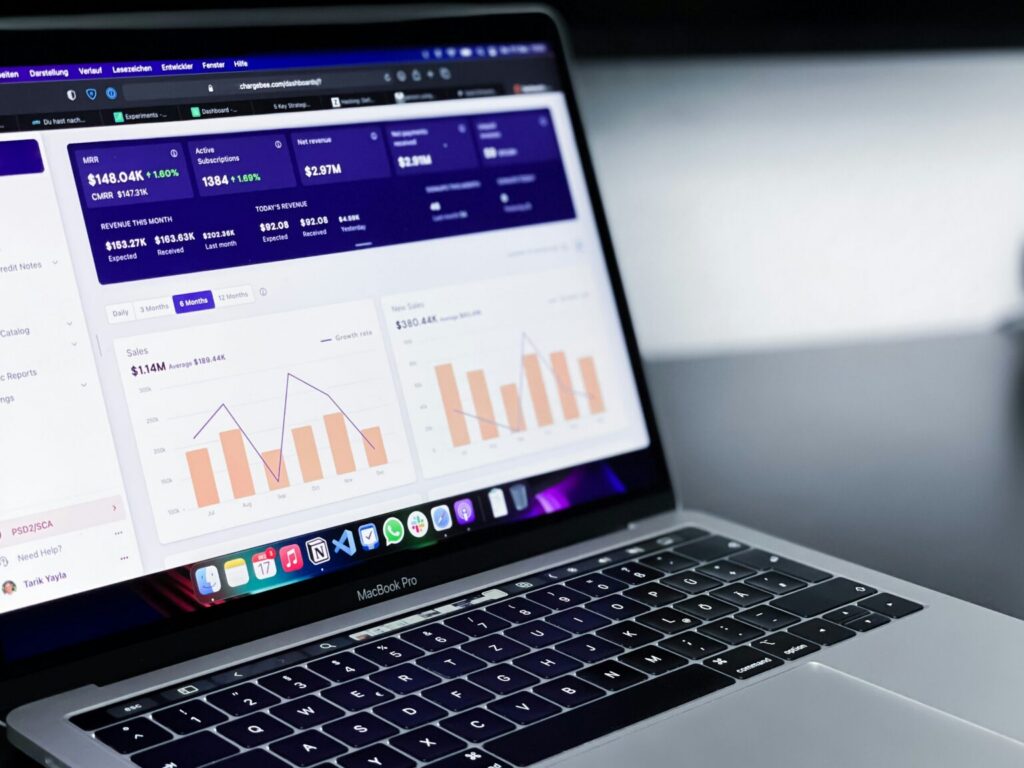
Image Source: Unsplash.com
This shift highlights the true value of AI analytics for executives. It supports better AI-driven business decisions across operations. Typical examples include:
- Production scheduling adjustments
- Inventory replenishment for just-in-time models
- Smarter stockout decisions
- Pricing and discount recommendations
- Proactive maintenance scheduling
- Customer triage and prioritization
These are business decisions that happen daily. Improving them, even slightly, can have a major positive financial impact over time. And that’s where the real value lies.
Businesses using AI analytics for executives have seen a 145% increase in tool use in the first year, along with a 67% increase in data-informed decision-making. These are results that are hard to ignore when businesses are looking for a competitive advantage.
AI for Manufacturing Operations and Supply Chains
We’ve explored how AI for manufacturing operations supports tighter operations before. However, manufacturing and supply chain environments are ripe for decision intelligence. Why? Because they generate operational data continuously.
Instead of static planning, real-time decision support systems can directly impact:
- Scrap reduction and adjustments
- Maintenance scheduling ahead of breakdowns and downtime
- Smarter workforce allocation based on real-time demand
- Inventory planning for more resilient and flexible models
This is a field where global competition is increasing. Supply chain fluctuations and shifts have created significant uncertainty. With the right intelligence, manufacturers can reduce their operational costs and waste while responding more flexibly to change.
Bringing Real-Time Decision Support Systems and AI Analytics for Executives Together
Decision intelligence is no longer just for operations teams. It’s become the backbone of leadership decision-making. It supports and enhances critical executive functions such as:
- Forecasting and scenario planning
- Real-time risk alerts that allow pivots or adjustments
- Performance predictions based on real data
- Investment impact modeling
- Better asset use
- Improved customer service levels
This shift allows organizations to move from static reporting to forward-looking decision support. Over time, these organizations can compound daily decisions into significant performance improvements.
Most organizations already have the data and are exploring AI-driven business decisions. It’s time to turn that into a true competitive advantage—making better decisions, faster.
A decision intelligence platform is at the heart of uniting data, analytics, and AI to power real-time decisions. That’s what consistently improves business performance.
FAQs
What is a decision intelligence platform?
AI-driven business decisions rely on operational decision intelligence. This is what drives AI’s real analytical value. A decision intelligence platform uses software to integrate AI analytics across the business, enabling better decisions through real-time, predictive insights.
How do decision intelligence and business intelligence differ?
While business intelligence focuses mostly on reporting and dashboards, decision intelligence goes further. It recommends and supports business decisions using predictive analytics and AI.
Where is operational decision intelligence valuable?
Real-time decision support systems improve decision-making across finance and pricing. They also benefit customer management. They are especially valuable in supply chain operations and other data-generating workflows.
What is a real-time decision support system?
Real-time decision support systems enhance AI analytics for executives and support decision-making. They offer recommendations based on real data. This helps organizations respond quickly, even in changing conditions.
Why is decision intelligence important to executives?
Executives need a clear picture of operations to make effective decisions. Operational decision intelligence enhances AI analytics for executives by improving both risk modeling and performance forecasts.