


Image Source: Unsplash.com
AI adoption is expanding and AI systems are influencing more decisions. It is essential that businesses have clear rules for how AI is used and held accountable. This is where an AI governance framework for enterprise companies has immense value. Far from throttling innovation, it helps encourage responsible AI adoption alongside progress.
This framework will set out how business objectives and risk controls work with each other inside the business. It clearly lays out responsibilities and processes, and clarifies when human oversight is essential.
Having this practical governance in place gives employees the confidence they need to use AI responsibly. It is also becoming a mandatory part of compliance for AI systems as regulations evolve. Leadership, meanwhile, keeps the visibility and control they need to both maintain control and build customer trust around their AI use.
Fortunately, creating an effective AI governance framework for enterprise is relatively simple.
The Governance Gap Rising in Responsible AI Adoption
Among S&P 500 companies alone, roughly 70% now actively use some form of AI in the business. This aligns with the broadly reported statistic of 78% of all businesses globally using AI.
Yet, recent market research suggests that less than 10% have any kind of AI governance framework for enterprises in place. Without ethical AI guidelines for businesses to ensure company-wide alignment, they become exposed to multiple risks:
Legal and regulatory non-compliance for AI systems
Bias and discrimination (inadvertently) created
Lack of clarity around data privacy in AI solutions
Overreliance on AI decision-making
The use of “shadow AI” amplifying security risks
Reliability failures and lack of transparency
Reputational damage and lost trust
Operational blind spots
Model drift remaining undetected and unaddressed
This is how a governance framework becomes part of your AI risk management strategy. Businesses can address these potential risks before they impact operations, as well as better guide daily operations to ensure compliance with regulatory expectations.
Creating an AI Governance Framework for Enterprise

Image Source: Pexels.com
The first step to creating an AI governance framework for enterprise is solidifying ownership and accountability.
Responsibility often fragments around AI because different teams handle different parts of rollout and use. Responsible AI adoption needs these different roles to be accounted for, with clarity on who owns what at which point of the AI lifecycle. With a central standard in place, handling disagreements and compliance also becomes simpler. Everyone understands their authority and responsibilities, and know how and where to escalate if necessary.
Matching AI Risk Management Strategies to the Use Case
Once this clarity is established, the next step is applying appropriate risk management.
Not every AI use carries equal risk. Each potential use case should be separately considered, understanding:
The sensitivity of the data used
The degree of automation
The consequence of error
Who is affected by each risk
Armed with this analysis, proportionate controls can then be set for each use case, appropriate to the risk it introduces. Approved tools for each task can also be selected to match the use case’s need.
Protecting Data and Privacy
Governance policies must also lay out which data employees may use with approved tools. Pay particular attention to:
Confidential business information
Personal data
Customer records
Intellectual property
Appropriate controls can then be established, such as:
Data minimization
Access restrictions
Approved vendor assessments
Retention rules
Contractual protections
Privacy requirements
Ensure that these practically reflect actual workflows, so employees can still complete work effectively.
Address Compliance for AI systems
As regulatory pressures like the EU AI Act shape compliance for AI systems, this must also be accounted for in the governance framework. Obligations and implementation dates vary, so businesses need to assess their specific circumstances and develop suitable controls for the level of compliance they require. This will typically involve:
Documenting AI use
Retaining relevant records
Testing systems thoroughly
Monitoring application after deployment
The privacy and data controls already looked at
These guidelines should also be reviewed when material changes occur. This could be new data sources or models, expansion of use cases, or, of course, new shifts in regulatory demands themselves.
Make Ethical AI Guidelines for Business Everyday Practice
An AI governance framework for enterprise should also set employee-facing standards for:
Evaluating outputs
Checking for errors
Identifying bias
Documenting decisions
Escalating unexpected behavior
This helps to create further safeguards and clarify what responsible AI adoption looks like when AI contributes to an outcome. This can be further strengthened by offering approved tools and practical training to improve employee confidence and AI literacy standards throughout the company.
Using an Effective AI Governance Framework in Enterprise Companies
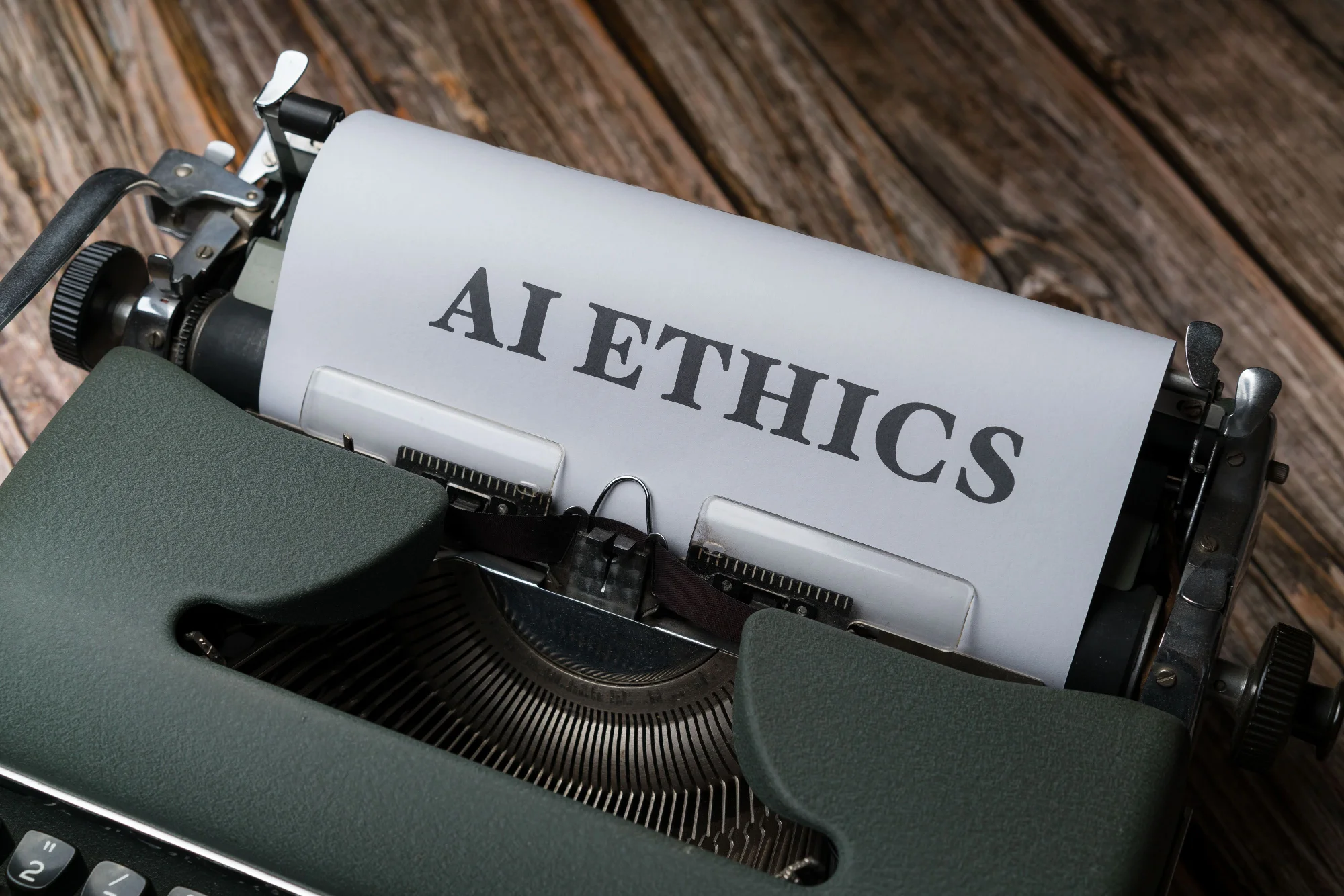
Image Source: Pexels.com
This roadmap offers the basics on an effective AI governance framework for enterprise. With this in place, leadership maintains company-wide oversight. Employees likewise benefit from clear guidelines and expectations. The business is left with room to innovate confidently, while ensuring key aspects of accountability across privacy, security, performance, and compliance are properly handled.
This will not be a one-time policy exercise. Rather, it will need to be revisited at milestones and as AI itself develops capabilities. However, with a strong AI governance framework for enterprise in place, responsible AI adoption becomes sustainable, ensuring everyone can trust how the business uses its AI systems.
FAQs
What is an AI governance framework for enterprise?
The set of ethical AI guidelines business puts in place is its governance framework. It sets the policies and responsibilities around AI, establishing controls and monitoring processes. It also determines how AI-driven decision-making is vetted. This helps the enterprise ethically manage AI within the business.
What should an AI risk management strategy include?
Critical parts of AI governance are accountability and risk classification. A strategy should lay out how data privacy in AI solutions will be handled. It should also address compliance for AI systems. Security protocols, ethical standards, compliance obligations and documentation are also important. Lastly, be sure to address how and when human oversight is required.
How does strong governance support responsible AI adoption?
With clear governance, employees better understand approved tools and acceptable uses. Governance is also part of your AI risk management strategy. By codifying how issues such as data privacy and decision-making are validated, and how escalation processes work, you reduce uncertainty. This supports more consistent, accountable use.
How can enterprises prepare for AI regulations?
Compliance for AI systems is becoming a hot-button discussion. Smart enterprises should already be inventorying the AI systems they use. They should also create a strong AI governance framework that outlines responsibilities and requirements in use. This will better prepare them to act as regulations change.