Image Source: Unsplash.com
For many enterprises, introducing AI seems to demand hiring more people with AI expertise. In reality, they are overlooking one of their most valuable assets: their existing workforce with existing domain knowledge. AI workforce reskilling is the difference between success and failure with AI.
Very few enterprise-level AI rollouts need an army of data scientists and machine learning engineers. Most workers do not need to build AI systems. They need to be comfortable and skilled in using AI tools in their roles. And when they are prematurely replaced by shiny “AI skillsets,” enterprises lose their expertise and industry knowledge. The metrics essential to success and profitability.
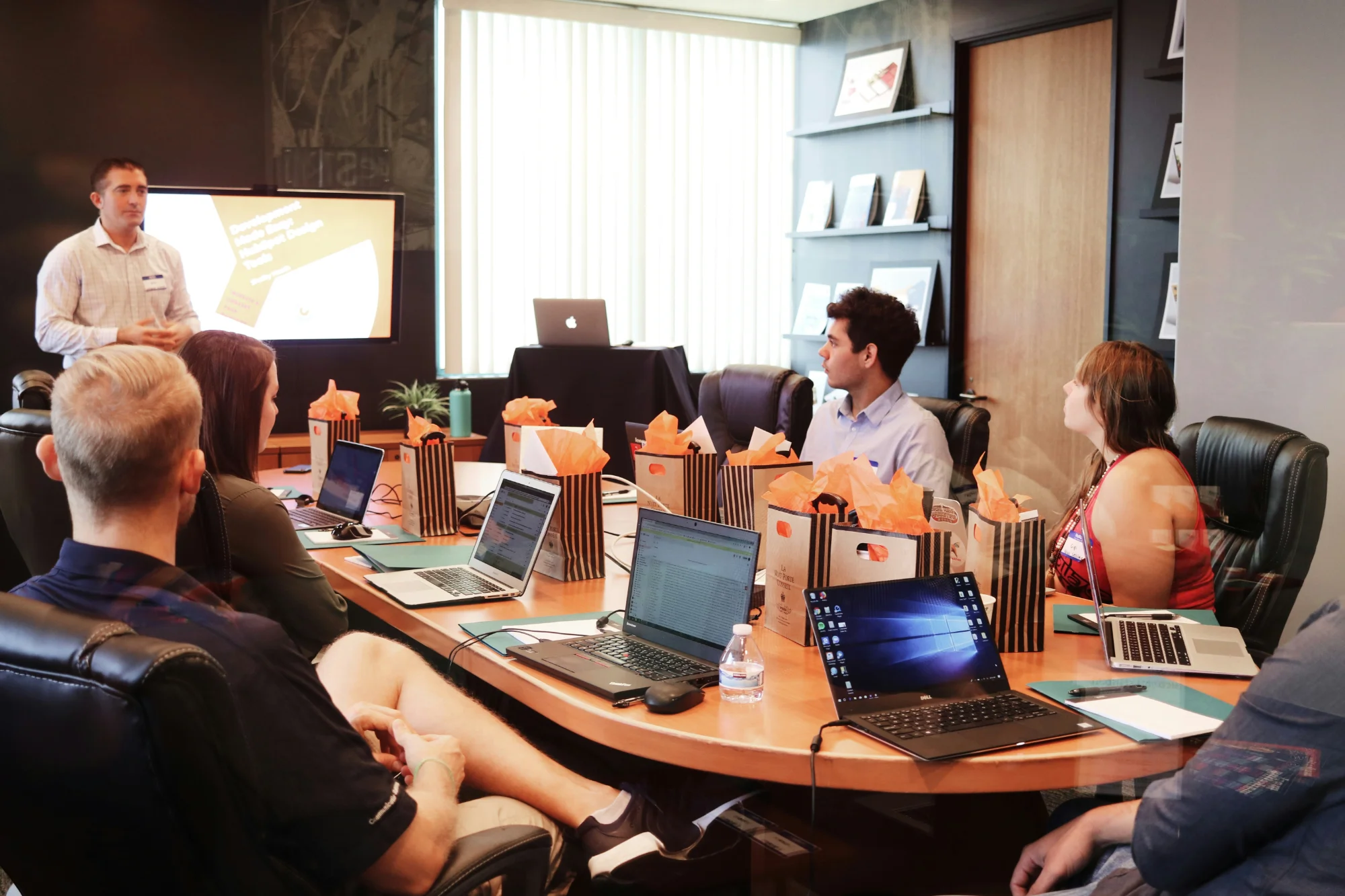
AI literacy programmes can tailor AI learning to the underlying role. Employees learn useful applications and how to evaluate AI outputs. They also learn to integrate these new skills into their existing everyday work.
This approach closes skill gaps from the inside. AI adoption is no longer dependent on scarce external talent. Instead, the company is future-proofing its workforce for AI. And that’s where the new competitive advantage really lies.
AI Organizational Change Does Not Need AI Expertise, Just Fluency

Image Source: Pexels.com
It’s admittedly scary to read stats like “the skills needed for AI-exposed jobs are changing more than twice as fast as for less exposed roles.” But it is important to read that correctly.
It’s not saying that these workers need advanced AI technical skills. In fact, it’s estimated less than 1% of workers need advanced skills. Instead, they need to be able to work confidently with AI within the role they already occupy.
In general, new priorities for AI workforce reskilling are:
Data interpretation
Using approved AI tools in workflows effectively
Critical thinking
Problem solving
Domain expertise
Understanding accountability
The best candidates to absorb those skills into their work are already working for you. They have essential industry knowledge and skills already in place. What’s needed next is an AI upskilling strategy that preserves that knowledge, and adds AI literacy to the role.
AI Workforce Reskilling: Building Skills Around Real Work
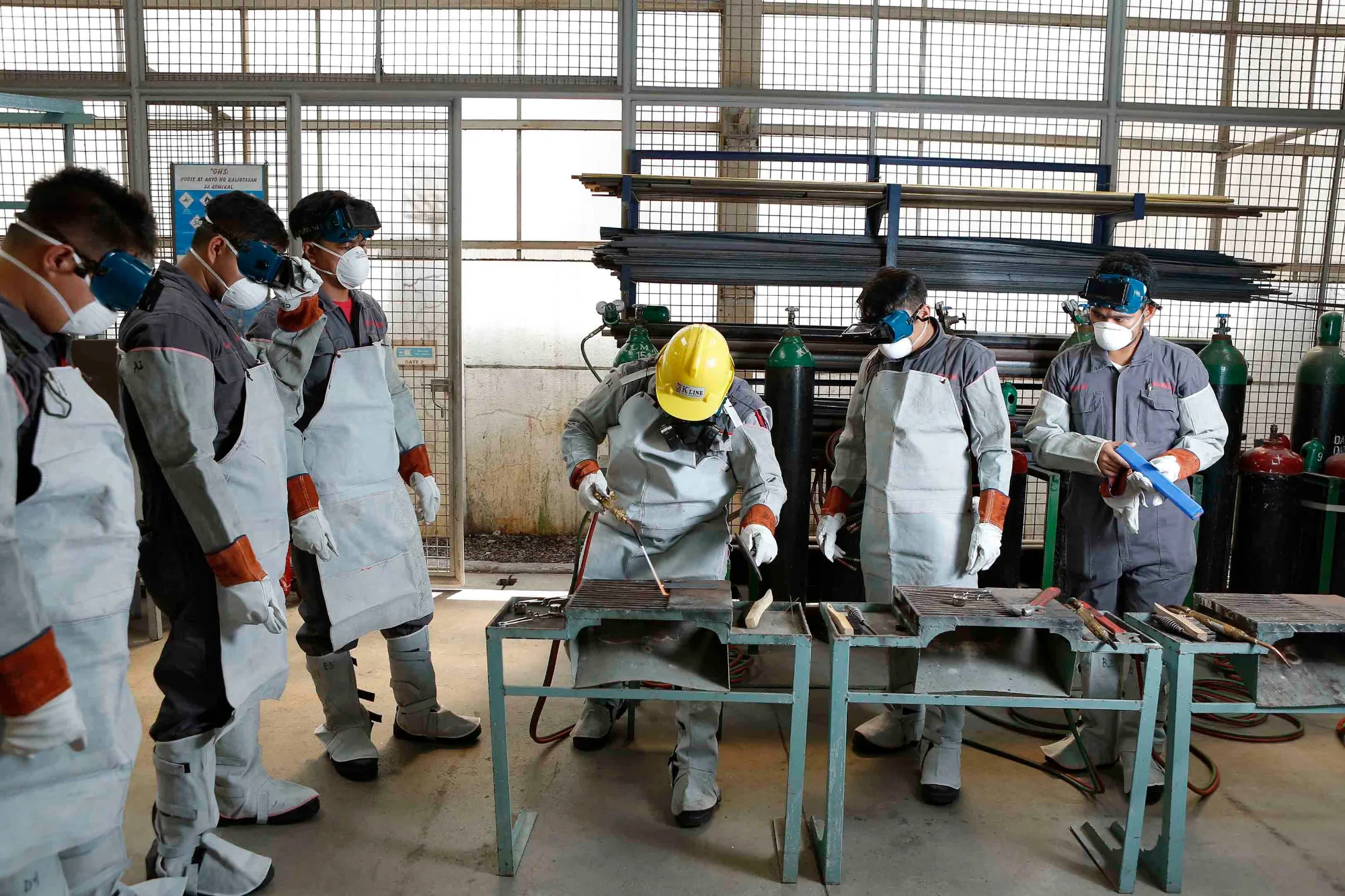
Image Source: Pexels.com
Up to 55% of jobs in the US alone are expected to be reshaped by AI in the next three years. As we’ve seen, that’s the same role, with new expectations for how they work and produce with AI. For company leadership, this means having a scalable AI upskilling strategy in place will be essential.
Generic AI training very rarely translates into lasting change. Instead, focus on AI literacy programs that start with the work itself. This way, workers learn to use their new skills on the tasks and challenges they face daily. This will look different across industries and departments, but comes back to the same core idea:
Training becomes relevant and “sticky” when employees can see how AI directly impacts their role, and learn accordingly. The focus should be on practical capability and improvement, not course completion.
As AI tools and capabilities change quickly, training should also be ongoing. The initial AI literacy program establishes skills and groundwork. This should be a foundation workers build on over time.
Continuous learning, supported by practical exercises and peer knowledge-sharing, is the path to future-proofing your workforce for AI. Regular skills assessment and developing role-based learning paths should be part of every AI upskilling strategy.
However, AI workforce reskilling alone will not create an AI-ready company. Workflows and processes must also be redesigned so they can apply what they have learned.
Otherwise, many of the efficiency gains AI brings will be lost to processes that are not redesigned for AI inclusion.
Reskilling is an AI Organizational Change Advantage
Approached strategically, however, AI workforce reskilling and controlled AI organizational change create the blueprint for AI success.
While AI workforce reskilling is often under-considered, it’s the critical missing piece to successful AI organizational change. When companies practice human-centric AI adoption, rather than rushing to replace their workforce with “essential” new AI-specific skills that simply aren’t fitted to the industry and job role, they build their own talent pool from within and increase employee retention. This insulates them from skills shortages and preserves critical insider knowledge in one.
The “AI talent shortage” is real in certain specialist roles. But that’s not the workforce challenge facing most enterprises. With internal AI workforce reskilling, workers gain the skills and support needed in an AI-enabled business without sacrificing existing expertise and experience. And that’s how you create your own competitive advantage from the inside out in the AI era.
FAQs
What is AI workforce reskilling?
AI workforce reskilling simply means giving employees the knowledge and practical skills for their changing roles. It’s not just learning new tools. They could have different responsibilities, or need to adapt their role to new ways of working. Reskilling is essential to future-proofing your workforce for AI.
How is an AI upskilling strategy different from reskilling?
Simply put, an AI upskilling strategy lays out how to train employees for their current roles, but using AI tools. Reskilling focuses more on moving them to different responsibilities and roles. As business processes change, they may need to reskill to stay current. However, both essentially mean preparing your workers for using AI as part of their work.
Does AI organizational change mean every worker needs technical skills?
Even as more job roles use AI, that doesn’t mean every worker needs advanced programming and machine learning skills. Instead, they need AI literacy programs. These teach basic tool use alongside critical thinking and output assessment. This makes transferring to using AI in their work role easier.
How do businesses know AI organizational change is working?
Businesses can measure the success of their AI literacy programs several ways. Practical proficiency and appropriate tool use matter. So does output quality and improvement in measurable outcomes. Lastly, evidence will be seen in workflow improvements. Remember that training completion does not mean the employee can apply learning successfully.
What is human-centric AI adoption?
Simply put, human-centric AI adoption focuses on improving people’s roles with AI. Not using more AI at the expense of workers. Workflow redesign and offering approved tools and training are the core start. Clear communication around role changes, and giving workers a say in shaping AI-enabled work also matters. This strategy improves confidence and establishes clear accountability for sustained adoption.