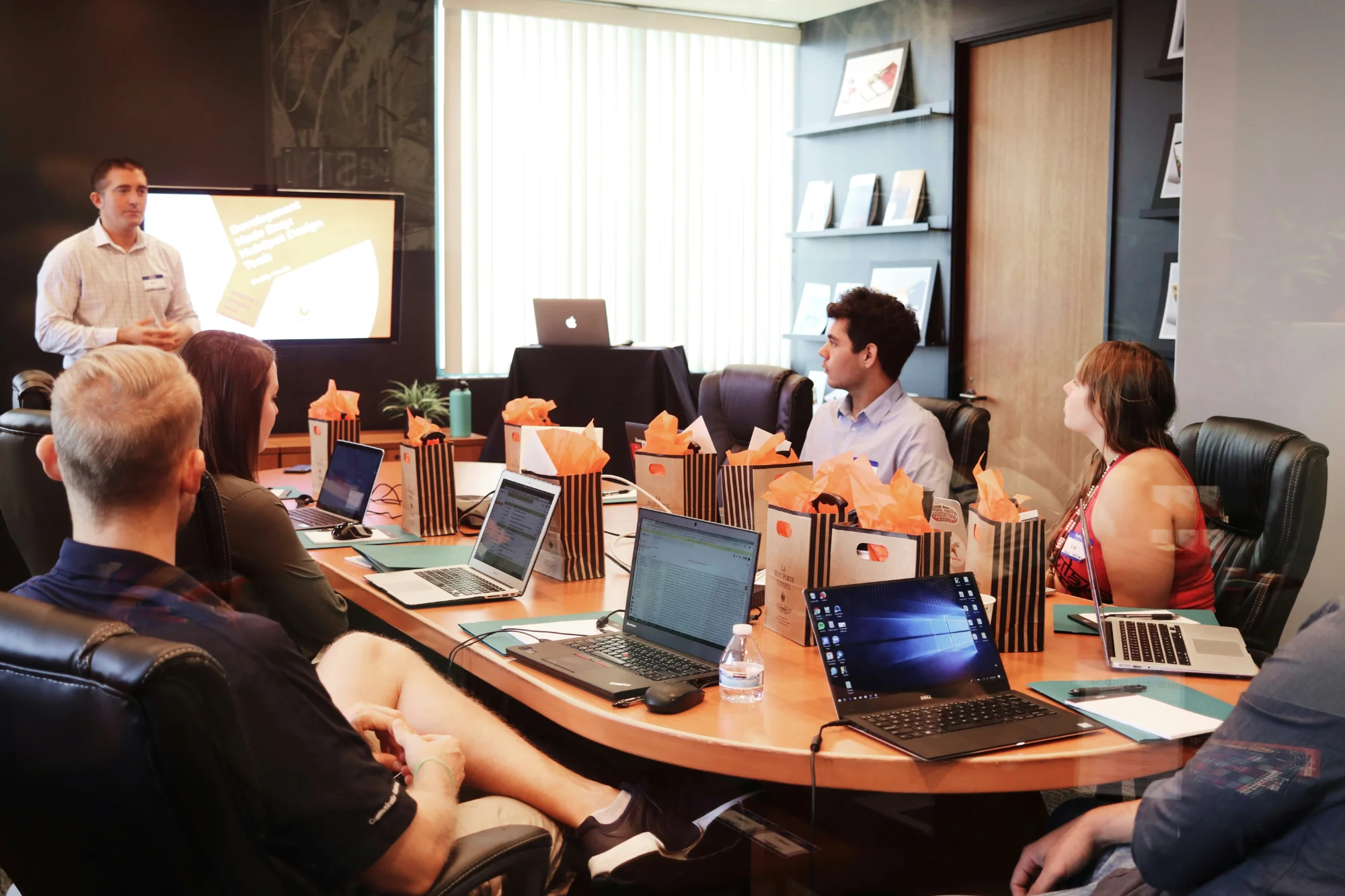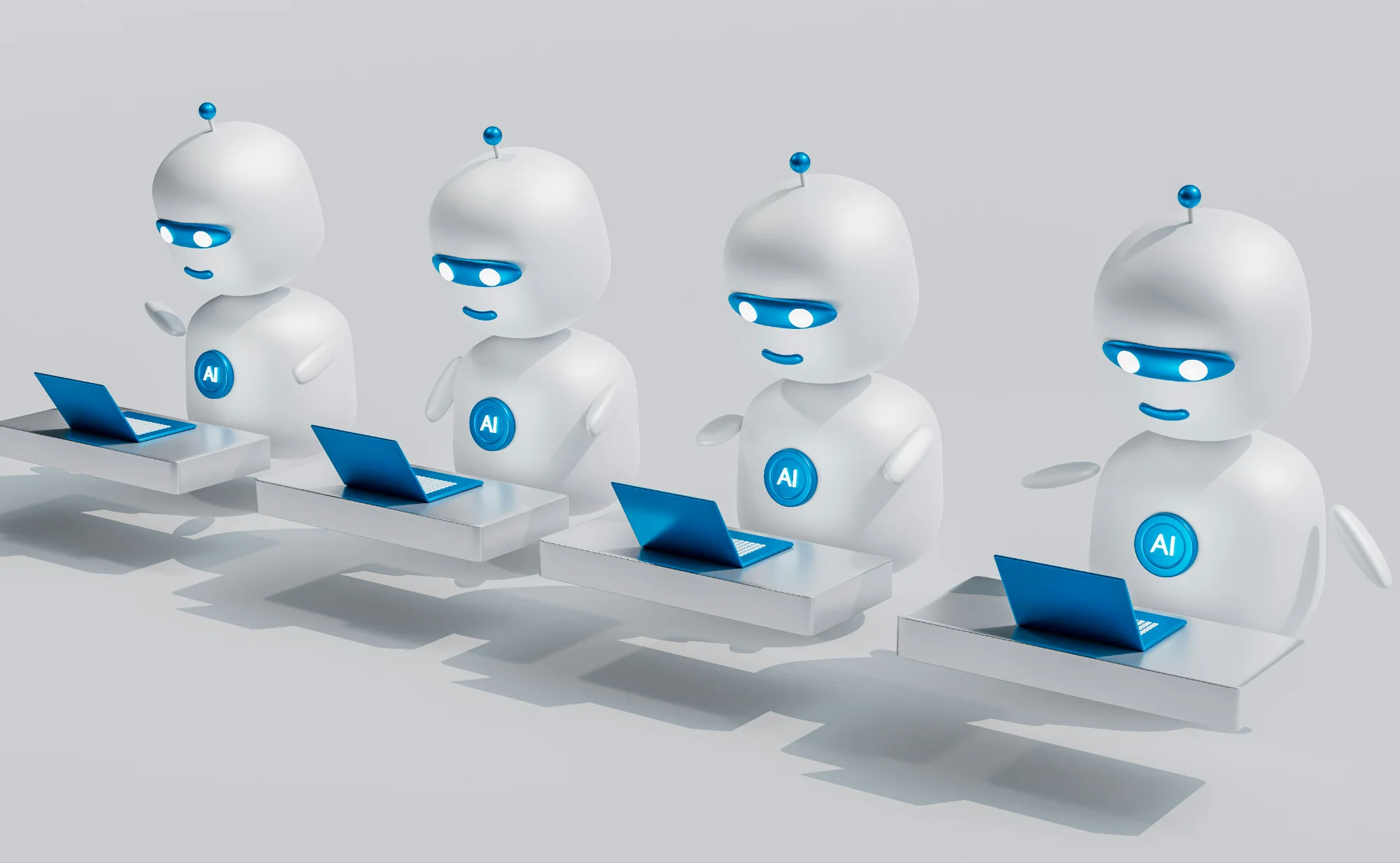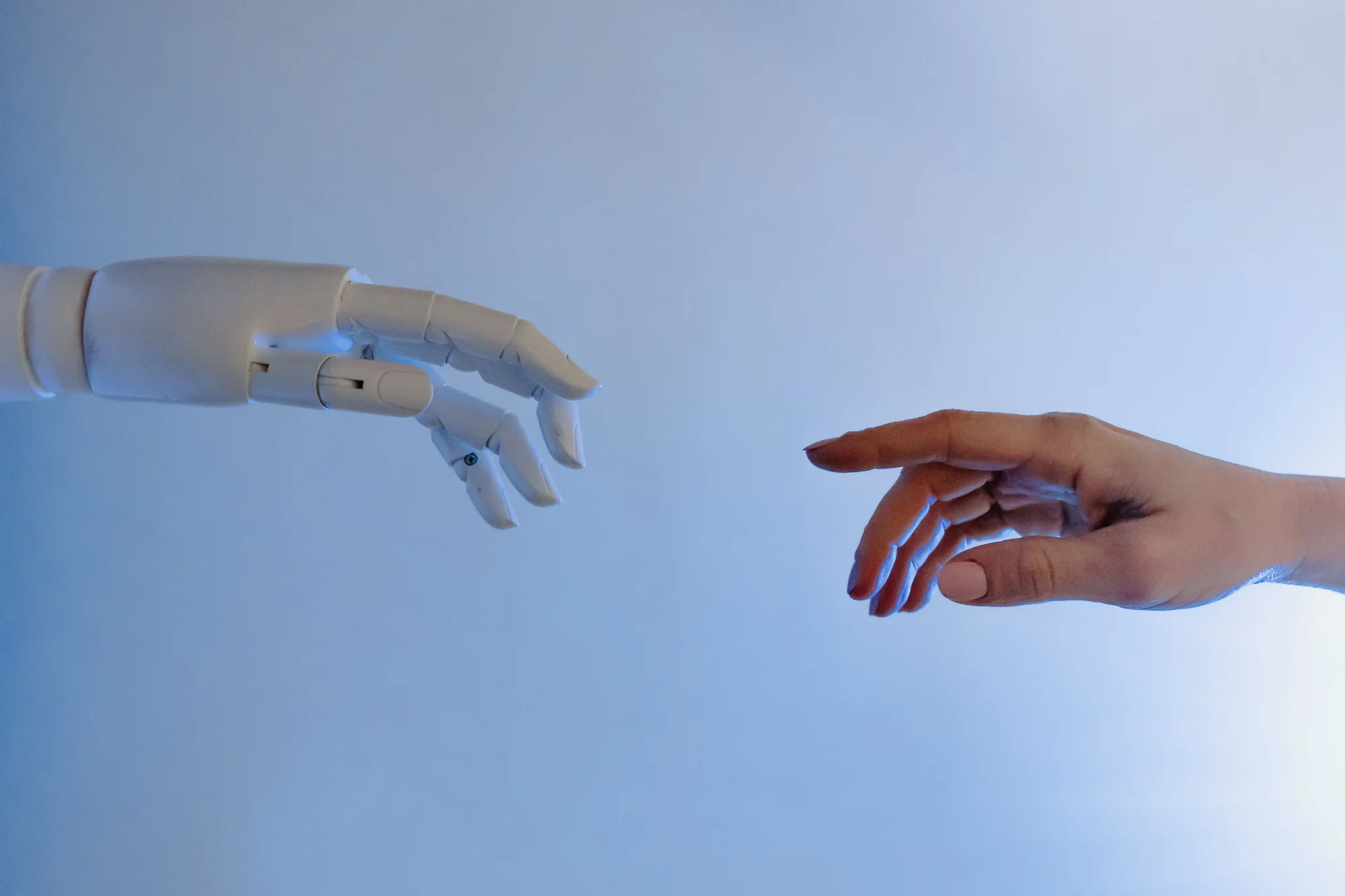
The fear around AI job replacement is strong, but it’s the wrong way to look at the issue.
The real shift as human/AI collaboration becomes the norm isn’t disappearing jobs, but rather their redesign.
AI has proved able to take on routine and repetitive tasks, like analysis and basic administration. It also manages data-heavy decision support well. However, it cannot replace the judgment and creativity people bring to the table. Nor does its problem-solving meet the human grade.
Some are suggesting this means we are in the “Cognative Era.” One where people move away from repetitive, time-consuming job aspects into thinking roles. The biggest AI job impact may not be lost work for people, but rather managing the AI skills transformation needed for them to make the most of it.
This leaves the future of work looking like a redesign, where people and AI each contribute where they perform the best. Upskilling for AI in enterprise will be a critical part of this — and managing that transition seamlessly is likely to be the next competitive advantage.
Why Human/AI Collaboration Needs Redesign, Not Replacement
Image Source: Pexels.com
As McKinsey points out, up to half of the current US work hours could be automated. However, these skew primarily to the routine and repetitive. Many job roles contain a mix of activities. Those where experience and critical thinking are vital, and others that need to search for information or produce documentation. AI excels at analyzing patterns and completing repetitive tasks, but it does not fully replace human insight.
As recent data from MIT points out, both people and AI excel when each does what plays to its strengths. That doesn’t mean forced human/AI collaboration at all points in every process. It means human + AI workflows that cater to each unique strength, then put them together.
Rather than replacing an entire role, AI works best when it assumes responsibility for selected tasks. Employees then focus on work AI cannot replicate.
This is why the future of work AI discussions should be centered on redesign, not workforce reduction. Upskilling for AI in enterprise is essential to staying competitive.
The Job to Workflow Mind Shift
Image Source: Pexels.com
However, this shift cannot take place while companies remain trapped in “job description” loops. AI needs leaders to think in terms of company-wide human + AI workflows, not isolated role buckets. They need to know:
What tasks need human judgments
What tasks AI completes faster
Where AI should assist, not automate
Where people must remain the final decision-maker
That needs more than simply adding AI tools to existing processes. Again, it comes back to redesign and AI skills transformation. To improve each process or task by letting AI do what it does best, while supporting people in more cognitive areas.
AI excels at:
Processing large information volumes
Identifying patterns
Drafting first versions quickly
Monitoring data continuously
Meanwhile, people perform best at:
Strategic decisions
Complex problem-solving
Negotiation
Coaching
Ethical judgment
Complex understanding
Relationship management
The goal should never be “automation at all costs,” but rather optimization across all business processes.
A Framework for Building a True AI-Augmented Workforce
Once that mindset shift is in place, effective human/AI collaboration needs a redesign for how work is organized:
Move from “roles” to “tasks”: Instead of pushing for AI to replace a role, each role is separated into its component tasks as examined above.
Allocate the best performer the task: AI is then assigned tasks that support its strengths, and people likewise.
Build collaboration: AI also changes how teams work together. When the enterprise sets clear expectations about how and when AI should be used, and how teams can improve AI-assisted workflows, you improve consistency without impacting flexibility.
Develop what AI cannot replace: Upskilling for AI in enterprise is essential.
Without AI skills transformation, AI in the workplace will not succeed. As the future of work changes, so do the capabilities companies need. This will focus less on technical expertise, and more on durable human capabilities such as those we looked at earlier. As AI handles routine execution, these are the skills that will deliver most value.
This goes beyond basic AI training. That matters, of course, but upskilling for AI enterprise environments must also cover:
Human + AI workflows and redesign
Clear governance
New performance expectations
Updating operating models
Otherwise, employees learn new tools, but keep working in old ways.
Rethinking AI Job Impact for the Future of Work
Image Source: Pexels.com
In the future of human/AI collaboration, some activities disappear from human job roles, while others expand. We have already seen new responsibilities around:
AI supervision
Exception handling
Continuous improvement
The enterprises that prepare for this AI skills transformation now are the ones that will build resilient workforces. With that comes the competitive advantage.
By moving the conversation around AI job impact away from headcount reduction to the new reality of human/AI collaboration, you ensure your business is prepared. You’ve built the skills needed for the Cognitive Era of work. That means a faster change response and improved productivity. And that’s exactly what effective human/AI collaboration delivers.
FAQs
What is human/AI collaboration?
Human/AI collaboration combines AI capabilities with human judgment. This allows for creativity and stronger decision-making, backed by AI’s productivity boost. It is one of the best ways to improve business performance.
How will AI change the future of work?
AI’s ability to automate routine activities improves human + AI workflows for efficiency. Meanwhile, the importance of strategic thinking and complex problem-solving stays with people. This kind of human/AI collaboration enhances the best from both sides.
What are human + AI workflows?
Human + AI workflows are business processes where AI supports specific tasks. People retain the responsibility for judgement and oversight. This allows for better decision-making, while leveraging AI’s productivity-boosting strengths.
Why is AI skills transformation important?
AI skills transformation supports employee upskilling for AI in enterprise situations. This helps to mitigate AI’s job impact by preparing them for redesigned roles. It develops capabilities that complement AI, rather than competing with it.
Is AI replacing jobs or redesigning them?
In most enterprise environments, AI will change the future of work with human + AI workflows. This increases human/AI collaboration, and needs AI skill transformation. In the majority of roles, however, it changes the way tasks are distributed instead of replacing entire roles.