

 Back to All Blogs
Agentic AI for Business in 2026: Where to Start, What to Automate First, and How to Keep Humans in the Loop


2026 is the year agentic AI for business becomes a day-to-day co-worker. These systems don’t wait for you to approve each step of a process. They act autonomously. They can reorder stock before it runs out and draft the first version of a sales proposal overnight. The upside is speed. The downside is risk. An agent that can act can also overact. It could lock your best customer out of their account or pay a fake invoice. The companies coming out on top are treating AI agents like eager interns, giving them narrow jobs, clear spending limits, and a human supervisor who can veto the wrong moves. Below is a playbook for getting started without breaking trust or budgets.
Where to Start
Start with your dullest workflow: dull means predictable, and predictable means safe. The best first candidates are tasks that happen hundreds of times a month, follow rules you can scribble on a sticky note, and don’t create too much damage if the AI agent doesn’t operate at 100% or makes mistakes.
One major retailer began with supplier invoices. The agent reads the PDF, matches the purchase-order number, and queues the payment. Anything under $500 goes out automatically. Anything above that waits for a finance manager, who sees a summary and can approve or cancel the transfer. After 30 days, the error rate was lower than the human team’s. Staff who once spent their days processing invoices were freed up to negotiate better terms with vendors.
Other Workflows to Consider
Password resets are another good starting point. The agentic AI agent can verify identity with a two-factor code, reset the credential, log a ticket, and close the loop. If the reset fails twice, the case escalates to an IT human who already has the full context.
Delivery rerouting works in a similar way. The agent watches weather and traffic APIs, then moves next-day packages to a different depot. A text message is sent to the driver. If the driver replies “no,” the plan is cancelled.
These workflows may not sound like much, but they save hundreds of human hours each month. They also build the trust you’ll need before letting agents touch money or customer data.
The Role of Human Oversight
It is essential to design every agent so that a person can see what it plans to do before it does it – and can stop it with one click. The best teams show the agent’s intent in plain language, for example, “I will refund $43 to the card ending in 4003 because the package was four days late.” Below the message is an option button that cancels the action and drops the case into a review queue. Every Friday, the team spends 15 minutes reviewing the veto log. Patterns will start to emerge. For example, the weather API may be misclassifying snow. The rules then get updated the following week. Over time, the veto rate drops, but the button never goes away.
Policy and Regulation
Guardrails are necessary to keep the agent in line. Publish three layers and make them readable by anyone, including auditors.
- Policy rules follow simple business logic: never pay an invoice without a matching purchase-order number.
- Rate limits cap volume, for example, no more than 50 refunds per hour, so a runaway loop can’t drain the bank account in minutes.
- Spend ceilings are hard stops encoded directly into the accounting system, such as auto-approving up to $500 and pausing anything above that. When the board asks why the bot paid $499, you can point to the public rule.
Broader Rollout of Agents
Once one agent works, you’ll want a team of agents – one that sources candidates, another that schedules interviews, and a third that orders laptops. Orchestration is like a group-chat moderator that keeps agents from trampling each other. A router agent decides who does what and passes a token that proves the hand-off happened. A ledger agent writes a single line to a log that tracks which bot touched what data, at what time, and using which rule. If any agent hits the same error three times in 10 minutes, a kill switch freezes the entire group and alerts the on-call human.
Risks and Permissions
The newest risk in 2026 is machine identity. Agents need passwords, and they now outnumber human credentials in most firms by 82 to 1. About half of these non-human IDs can read sensitive systems and often have broader permissions than the people who built them. Agent credentials should be rotated every 30 days, and each agent should have a single role. For example, the invoice-reader bot can’t open HR folders.
Add an “agent ID” field to every audit log so you know which bot did what. Never embed master passwords in centralized code storage locations. These steps may sound basic, but most breaches traced to agents last year came from credentials that had never been rotated.
Roll out in 90 Days
Agentic AI integration using a 90-day plan:
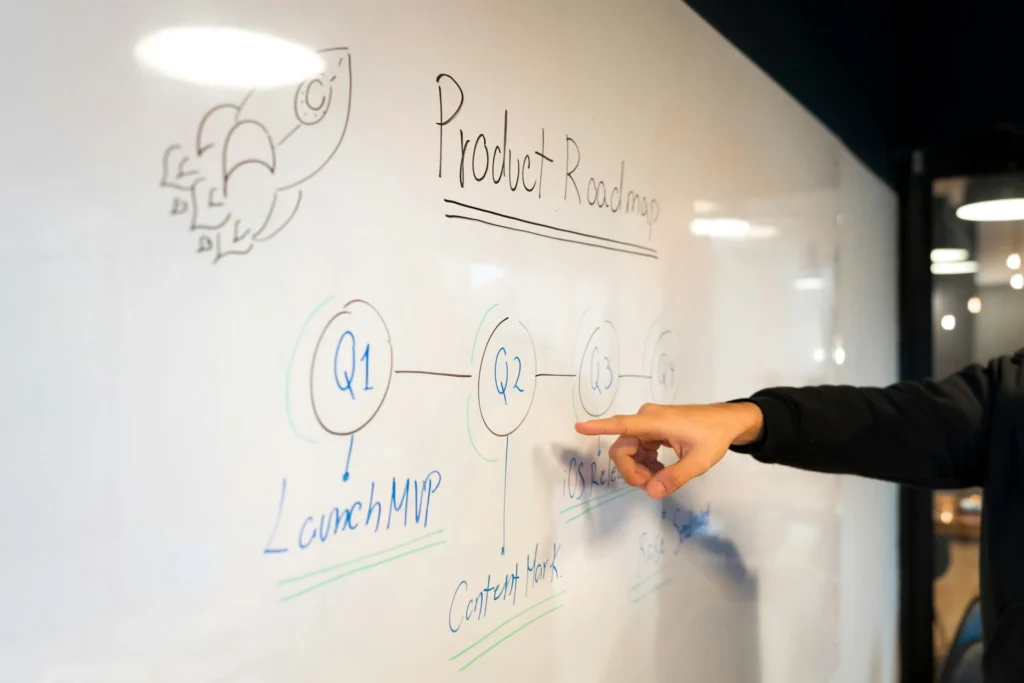
- Weeks 0–2: Choose one use case and map it on a whiteboard with finance, IT, and legal in the room.
- Weeks 3–4: Code the guardrails and the veto button. Then run 50 test cases using last month’s real data.
- Weeks 5–6: It’s time to go live with 25% of traffic and review every veto daily.
- Weeks 7–8: Scale to 100% and add a second workflow.
- Weeks 9–12: Layer in orchestration and publish a one-page “agent handbook” the auditors can read.
By day 90, you should have two working agents and a veto log that proves transparency.
Closing Thought
Remember the big picture. Agentic AI for business isn’t about replacing people. Give the bots the dull jobs and clear budgets, and 2026 can be the year your team gets its time back.
FAQs
You usually don’t need to hire specialists. The people who currently run the workflow, like your invoice processors or IT help-desk leads, make the best first “agent supervisors.”
Emphasize role elevation, not elimination. Invoice processors become vendor negotiators, help-desk staff handle complex escalations only, and everyone helps design the guardrails. Frame the metric as “dull hours removed” so the team sees they are trading repetitive volume for judgment work they actually control.
Disclose it, but keep it practical. A line like, “We’re using AI to resolve your refund faster” is sufficient.
Build your systems around the chance of failure. If you are in logistics for example, and the weather API drops, the delivery-routing agent should pause and queue the decision, not guess based on old data.


 View Profile


Recent Posts
-
 Published on: February 24, 2026
 -
Published on: February 17, 2026
-
Published on: February 10, 2026