

 Back to All Blogs


It may not come as a surprise to hear that AI is playing an increasingly prominent role in many industries. Retail is no different. If the way we work is changing, it’s natural to see the way we shop change too.
Why AI Matters in Retail Today
The retail industry has always been a complex balance between supply and demand, but modern marketplaces are changing extremely fast. AI matters because it provides the tools to stay ahead of that pace. It solves retail challenges through three main mechanisms:
- Automation: AI takes over repetitive, time-consuming tasks such as answering basic customer queries or managing inventory counts.
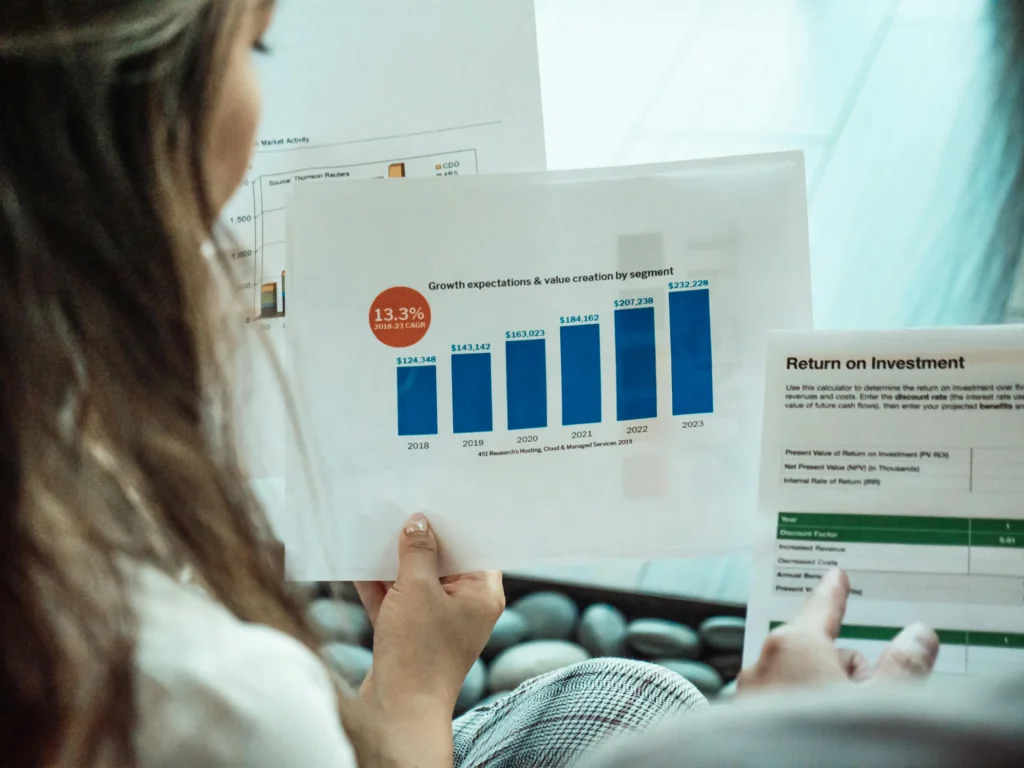
- Real-time insights: AI systems process huge amounts of data in real time, revealing insights that were previously inaccessible. These include things like a new social media trend or a subtle shift in local buying patterns. This helps retailers rethink and improve their operations.
- Improved decision-making: The insights available allow retailers to improve their decision making based on more accurate data. This leads to changes like smarter inventory purchases or more effective marketing campaigns.
Top 10 Real-World Examples of AI in Retail
All of this sounds great, but how is it actually applied in the real world? Let’s get into ten of the most common examples of AI in retail.
1. Personalized Product Recommendations
Have you ever wondered how an item you added to your cart but never purchased suddenly shows up in online adverts? This is one of the most common examples of AI in retail. AI algorithms suggest products relevant to you by analyzing your purchase history and browsing behavior. AI can now integrate granular data points like location and local weather into website landing pages, marketing emails, and in-app notifications.
According to CTA’s 2024 AI in Shopping study, 43% of U.S. shoppers are more likely to purchase from a brand that offers a personalized experience. While giants like Amazon started this, a study by Constant Contact found that more than a third of small businesses now use AI for targeted advertising to help them understand their customers better and build loyalty.
2. Smart Chatbots for Customer Support
We are long past frustrating, scripted automated responses. Today’s AI-powered chatbots are far more sophisticated. They function like virtual assistants that provide immediate, 24/7 support. They can answer a range of common queries like checking order status and initiating returns. By resolving these issues, they improve customer satisfaction and free up human agents to handle more complicated or sensitive problems.
3. Visual Search and Try-Ons
AI is making search more intuitive. Retail apps now allow you to search for products using an image or a voice command. AI image recognition identifies the items in your photo and finds visually similar products in the retailer’s inventory.
Augmented reality (AR) try-on tools also uses AI to show customers what items will look like on them without having to visit a store. CTA’s report notes that 40% of online shoppers are open to using virtual try-on tools for apparel, showing growing consumer comfort with this technology.
4. Demand Forecasting
It is crucial for retailers to understand what demand will look like before it happens. AI excels at this. Machine learning systems examine historical sales data, current market conditions, social media trends, and even macroeconomic indicators to generate accurate demand predictions. This foresight allows retailers to limit overproduction and reduce waste, both of which support sustainability efforts.
5. Inventory and Supply Chain Optimization
Maintaining the perfect stock level is a constant challenge. AI solves this by predicting demand for products at a local level. It looks at factors like previous sales and seasonal trends. According to Forbes, 40% of companies using AI are deploying it to improve inventory management. This ensures stores have the right products at the right time, reducing the chances of inventory levels that are either too low or too high. This extends to the entire supply chain. AI can adjust delivery routes in real-time to shorten transit times and reduce fuel consumption.
6. Fraud Detection and Security
As e-commerce grows, so do the risks of fraud. AI and machine learning models address this threat by analyzing thousands of transaction data points in real-time to identify subtle patterns and anomalies that indicate fraud. By flagging and stopping suspicious purchases before they’re completed, these systems protect the retailer’s revenue and the customer’s financial data. This helps build trust, which is especially important for online retailers.
7. Customer Sentiment Analysis
Understanding how customers feel is the holy grail of marketing. AI makes this possible through sentiment analysis. Using natural language processing (NLP), AI systems scan and analyze customer feedback from support tickets, product reviews, social media, and survey responses in real time. This allows businesses to move beyond simple metrics and understand the emotions behind the words. Retailers can now address problems proactively and refine their marketing strategies.
8. Automated Checkout Systems
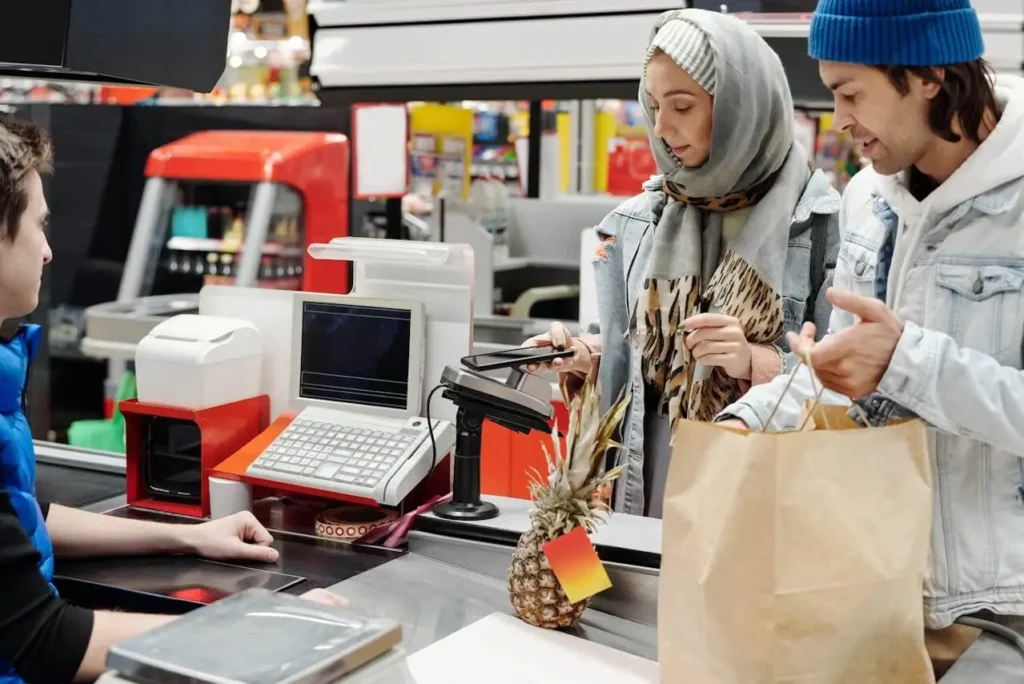
Pioneered by Amazon Go with its “Just Walk Out” technology, automated checkout is becoming increasingly popular. These systems track the items shoppers pick up using computer vision cameras and sensors. When the customer leaves the store, their account is charged automatically. This means no more waiting in checkout lines.
9. Price Optimization Engines
The economy, seasons, trends, and competitors all affect pricing in retail. Major retailers use AI algorithms to assess these factors and adjust prices to ensure they remain competitive and attractive to their customer base.
10. In-Store Experience Enhancements

In physical stores, smart cameras and sensors assess foot traffic to create heat maps that show retailers where customers linger and where they move on quickly. These insights help improve store layouts and product placements for increased engagement. In-store tools like interactive AR smart mirrors and virtual kiosks also provide personalized recommendations and assistance.
How Machine Learning (ML) Is Enhancing Retail Analytics
ML algorithms use historical data. They filter through years of sales statistics and customer records to identify hidden patterns and correlations. For example, instead of only knowing what sold well last quarter, ML can predict what will sell next month and predict the impact of a specific promotion.
See How AIFM Can Work for your retail team. Talk to Us today.
At AIFM, we’re passionate about helping businesses understand and apply AI to better their operations. Get in touch today to collaborate!
Wrapping Up AI in Retail
The integration of AI into the retail sector is becoming an important component of a modern, customer-centric business strategy. The examples outlined are just some of the exciting and creative ways businesses use AI. As consumer comfort with these technologies increases, the retailers who integrate AI will be the ones who define future shopping experiences.
FAQs
No, this is highly unlikely. AI cannot replace human engagement. Nor can it handle complex problem-solving or creative strategizing.
Yes, there’s a fine line. If it’s not implemented carefully, hyper-personalization can feel like a privacy invasion. Retailers should be transparent with data usage and provide clear value in exchange for personalization.
Not at all. The rise of affordable, off-the-shelf AI software (SaaS) means smaller businesses also have access to it.
AI promotes sustainability by improving delivery routes to cut fuel use, accurately forecasting demand to reduce overproduction and waste, and improving energy efficiency in warehouses and stores.

 View Profile


Recent Posts
-
 Published on: May 5, 2026
 -
 Published on: April 28, 2026
 -
 Published on: April 21, 2026