Image Source: Unsplash.com
AI has changed what people do at work. Yet many companies have focused on the wrong challenge when integrating AI into the workplace. Too many focus only on teaching employees to use AI tools. However, fostering human-AI collaboration should be top of the list for any company wanting to see the very best results from its AI implementations.
When work is properly redesigned so that both people and AI contribute where each is strongest, it creates a competitive advantage. Not only is there a workforce able to use AI today, but also able to apply those skills to the future of work with AI.
The Reality Behind AI Skills Transformation
AI use on the job is now a reality for 55% of the workforce. A third use it regularly, seeing notable time gains per task. This shows that AI doesn’t have to replace an entire job to have a noticeable impact on how the job works.
AI excels in specific activities, especially where people struggle with data-heavy, repetitive demands. It excels at summarizing information and analyzing patterns. It is invaluable in monitoring and reshaping workflows, and supports better data-driven decisions.
But these are specific tasks, not full job roles. The part of the conversation which is often missing is what this frees up people to do:
Strengthen relationship building
Improve problem-solving supported by AI insight
Exercise strong judgment with human-in-the-loop AI use
Use uniquely human creativity
Introduce strong accountability for AI-suggested inputs
Most conversations about AI in the workplace stop at replacing job roles. However, the best results come from thinking about AI skills transformation at the task level instead.
What Human-AI Collaboration Really Needs
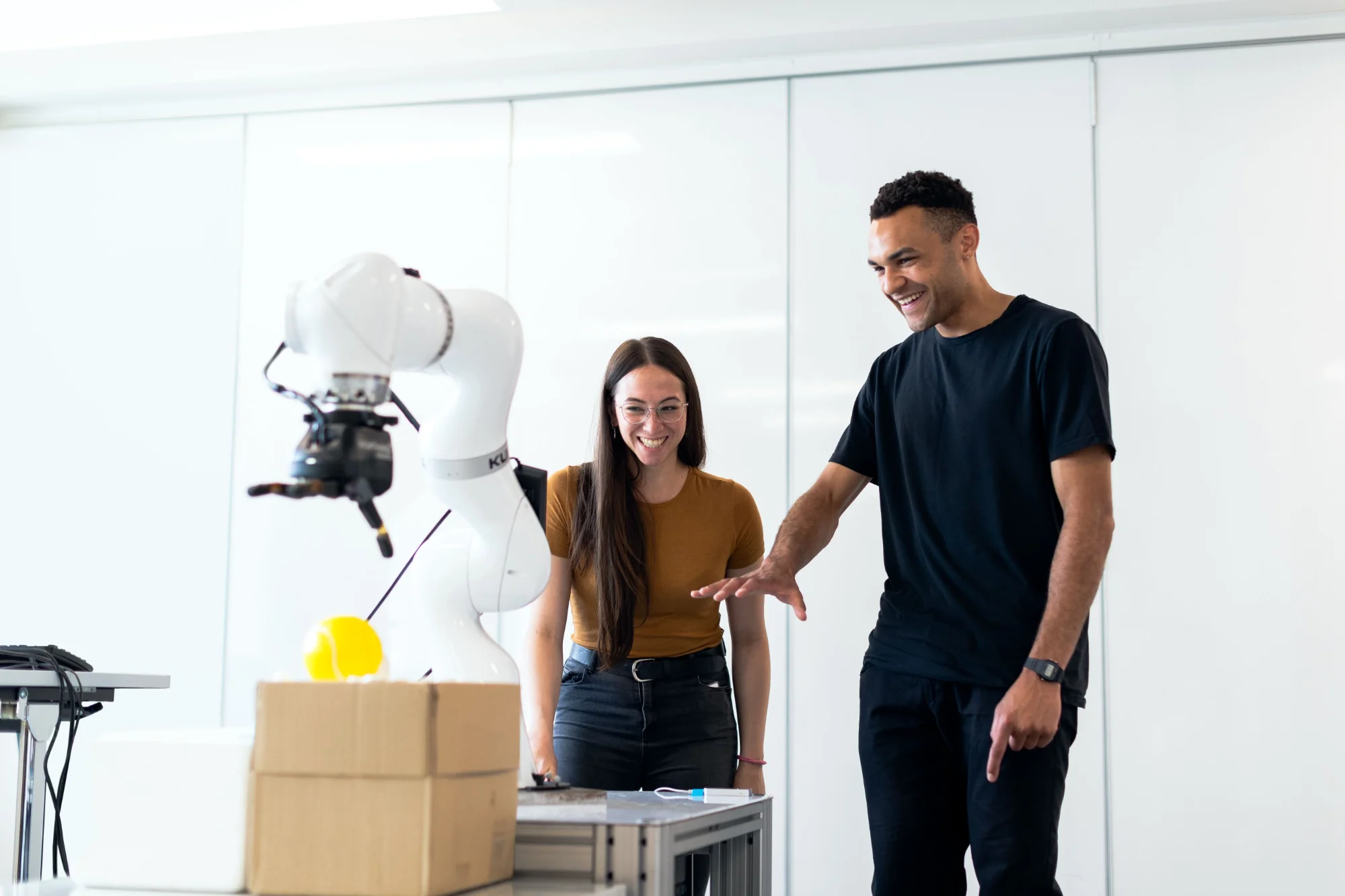
Image Source: Pexels.com
Human-AI collaboration does not stop at entering a prompt.
Recent PwC data shows that the skills needed for the future of work with AI are changing twice as fast as in job roles without AI exposure. The best results are seen when employees understand when to use AI, and when it should be challenged by human judgement. This requires intentional workforce retraining for AI.
This is also the heart of human-in-the-loop AI. It goes beyond “a person checks the output” to become an intentionally designed part of the workflow. One that enhances human-AI collaboration and improves results for both.
It also shifts management roles from a focus on if employees are using AI, to understanding how AI improves how work gets done:
The tasks AI can handle, and the tasks it should not
Where human judgment is most valuable
If over-reliance on AI outputs is occurring
If new skills are being developed
How AI improves the workflow, and where it does not
With this in mind, workforce retraining for AI shifts to part of operational management instead of an isolated HR task.
The ultimate goal of AI-driven talent development is to build a workforce that can adapt. Companies with strong AI skills can redesign roles as needed, and identify emerging skills requirements before competitors do. In short, the emphasis now must move from one-off training to preparing for continual change — the very core of human-AI collaboration.
Creating the Right Framework for AI-Driven Talent Development
The framework for effective workforce retraining for AI can be surprisingly simple.
Know How Roles Are Changing
Start with the tasks that benefit from human-AI collaboration, rather than job titles. First map:
The activities AI can automate well
The tasks AI can assist
The decisions or roles where human judgment is essential
The responsibilities emerging with AI
This gives a clear picture of where AI-driven talent development is most needed.
Focus on Skills for Human-AI Collaboration
AI skills transformation should reflect these new workflows. For example, employees may need to learn how to:
Give AI effective instructions
Evaluate AI-generated outputs
Identify errors and weak assumptions
Escalate decisions appropriately
Combine AI analysis with their own expertise
This shifts training away from using a tool into making AI a meaningful part of how their jobs work.
Strengthen Skills That Make AI Valuable
AI does not take over or make every human skill less important. In many roles, it makes specific skills more important, including critical thinking and expert judgement. AI-driven talent development must strengthen these capabilities, as they become even more valuable when routine work is automated.
Keep Learning Fresh and part of the Workflow
Traditional training programs typically fit in before employees use new tools. It’s a poor model for human-AI collaboration, however. Both the technology and how it’s used are evolving fast. Formal programs support initial workforce retraining for AI, but neglect this ongoing evolution.
This makes continuous “colearning,” with both people and AI models adapting together, essential. This could look like creating:
Peer learning opportunities
Workflow-based coaching
Regular check-ins and feedback sharing
Shared examples of effective AI use and smart human-in-the-loop AI situations
Opportunities to test and improve new ways of working
The future of work with AI isn’t about what machines alone can do, but how effectively they work together with people. Fostering the skills for effective human-AI collaboration is the secret to becoming a truly augmented enterprise, not just another user of AI tools lagging behind your competitors.
FAQs
What is human-AI collaboration?
Human-AI collaboration is designing work so both people and AI systems contribute to tasks and decisions. It ensures each plays to their unique strengths while improving outcomes and productivity.
What skills should workforce retraining for AI prioritize?
The future of work with AI will need AI literacy and critical thinking. It also relies on strong judgment, and the confidence and ability to evaluate and challenge AI outputs. AI skills transformation will look a little different, depending on the specific job role.
How is AI-driven talent development different from standard training?
Unlike most software tools, AI changes tasks and workflows. Effective retraining needs to focus on how the job has shifted. It should encourage independent thinking and confidence with AI’s semantic nature, not simply how to use a specific tool.
What is human-in-the-loop AI?
With human-in-the-loop AI, people retain defined responsibilities around AI use. This includes reviewing, challenging, approving, and even overriding AI outputs where human judgment is required.
How can companies prepare for the future of work with AI?
Companies should first prepare by mapping how AI will change job rolls. This will help to identify skill gaps. Redesigning workflows to incorporate AI will also be essential. Lastly, companies should create continuous learning opportunities that evolve alongside AI use.